
IPTV Canada can feel a little confusing at first, especially if you are used to cable boxes, satellite dishes, or switching between several streaming apps every night.
The good news is that modern IPTV is much easier than many people expect, and Primestelly is built to help everyday Canadian viewers enjoy live TV, sports, movies, series, and international channels with less hassle.
A lot of viewers are simply looking for a better way to watch what they already love: hockey on the weekend, news in the morning, family movies after dinner, and on-demand entertainment without juggling too many subscriptions.
This guide walks you through the practical side of IPTV in Canada in 2026: what it is, what you need, how to choose devices and apps, how to avoid buffering, and how to make the experience comfortable for the whole household.
We will keep things simple, calm, and practical. You do not need to be a tech expert. In most cases, if you can install an app and connect your TV to Wi-Fi, you can understand IPTV.
What IPTV Canada Means in 2026
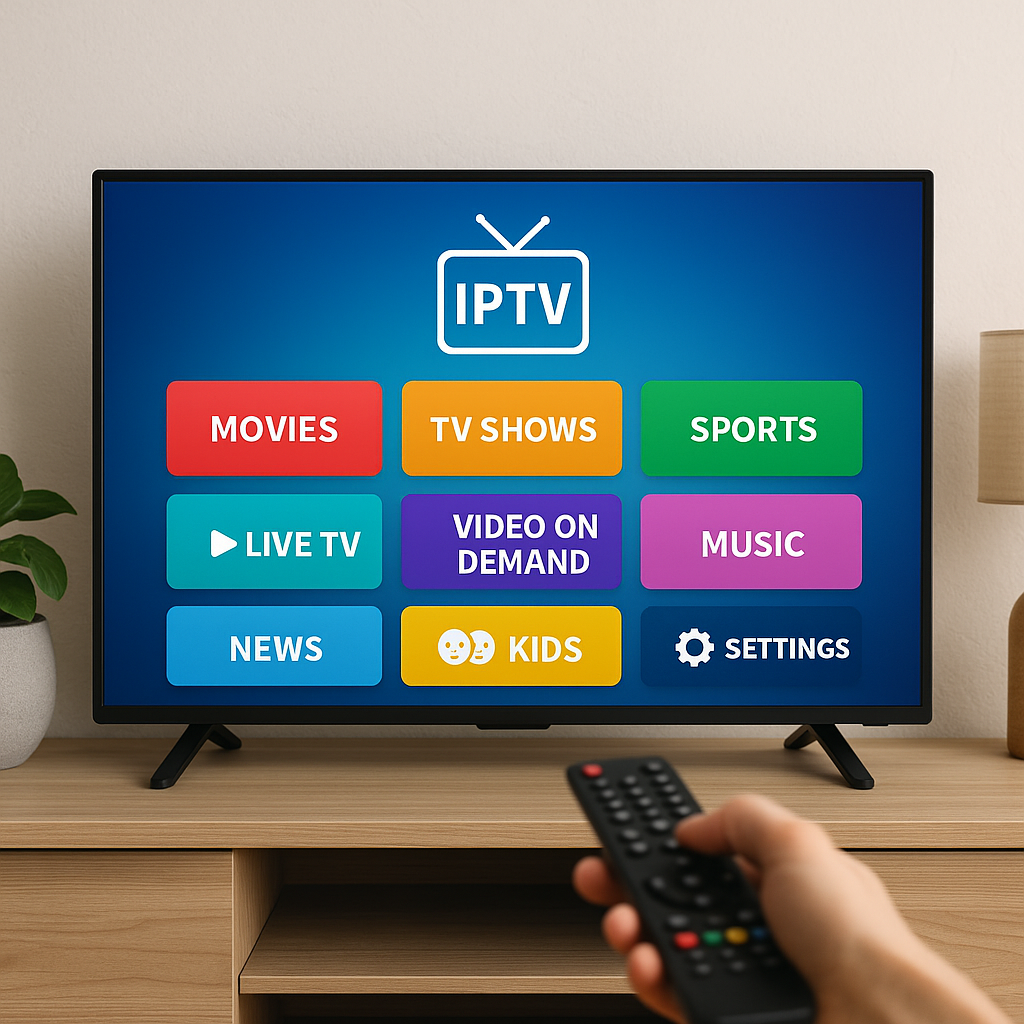
IPTV stands for Internet Protocol Television. In plain English, it means TV delivered through your internet connection instead of a traditional cable line or satellite dish. For Canadian homes, that can mean live channels, sports, movies, shows, catch-up content, and video on demand all inside one compatible app or player.
When people talk about IPTV Canada, they are usually talking about a streaming setup that works well with Canadian internet providers, Canadian viewing habits, Canadian sports schedules, and the mix of English, French, multicultural, local, and international content that many households want.
The appeal is simple. Cable bills have climbed for years, many streaming apps have become more expensive, and families often feel like they are paying more while still missing channels they actually watch. IPTV offers a more flexible way to bring content together, depending on the service, plan, device, and app you choose.
If you are just starting, you may also want a broader overview of the market. Primestelly has a helpful companion resource, the complete IPTV Canada viewer guide for 2026, which explains the landscape in more detail.
- Live TV over the internet
- On-demand movies and series
- Sports, news, kids, and lifestyle channels
- Works on many smart TVs and streaming devices
- No traditional cable box required in many setups
Why More Canadian Viewers Are Choosing IPTV Canada
A lot of viewers in Canada are not trying to complicate their home entertainment. They are trying to simplify it. IPTV has grown because it can bring together many viewing needs in one place, especially for households that watch more than one type of content.
For example, one person may care about NHL and international soccer, another may want movies and drama series, and someone else may want French-language or multicultural channels. Instead of paying for several separate services and still feeling limited, IPTV can offer a more complete viewing experience when set up properly.
Another reason is device flexibility. Many homes already own a Firestick, Android TV box, Samsung TV, LG TV, Apple TV, tablet, or smartphone. In most cases, IPTV does not require major changes to the living room. It simply uses the screen and internet connection you already have.
- More content flexibility than traditional packages
- Useful for sports fans and families
- Works with common devices
- Often easier to personalize
- Can reduce app switching
- Good for local and international viewing needs
Of course, every home is different. The best setup for a condo in Toronto may not be the same as a busy family home in Calgary or a bilingual household in Montreal. That is why it helps to understand the basics before choosing an app, device, or subscription.
The Basic IPTV Canada Setup You Need at Home
An IPTV setup does not need to be fancy. The core pieces are simple: a stable internet connection, a compatible device, an IPTV app or player, and subscription details from your provider. Once these pieces are in place, your app can load channels and on-demand content.
If you want a room-by-room explanation, Primestelly has a detailed article on building a home streaming setup for IPTV in Canada. It is especially useful if you are planning IPTV for more than one TV.
At a basic level, most homes need the following:
- A reliable internet plan
- A strong Wi-Fi signal or Ethernet connection
- A smart TV or streaming device
- An IPTV player app
- Login details, Xtream Codes, or an M3U playlist
- A remote that is easy for the household to use
The device you choose matters because it affects speed, app compatibility, navigation, and picture quality. A weak device can make a good IPTV service feel frustrating. A strong device can make the same service feel smooth, clean, and easy.
Internet Speed for IPTV Canada: What Is Enough?
Your internet connection is the foundation of IPTV. If the connection is unstable, the app may freeze, buffer, or drop in quality. The good news is that you do not always need the fastest plan available. In most cases, you need a stable connection more than a headline speed number.
For one HD stream, many homes can manage with moderate speeds. For 4K streaming, multiple devices, gaming, video calls, and smart home devices all running at once, you will want more room. If several people in your home stream at the same time, you should plan for that extra demand.
For a deeper breakdown by quality level and household size, read Primestelly’s guide to internet speed for IPTV in Canada in 2026.
- HD streaming needs a steady connection
- 4K streaming needs more bandwidth
- Multiple screens increase total demand
- Ethernet is usually more stable than Wi-Fi
- Router quality can matter as much as the plan
One helpful rule is to think about your busiest evening. Maybe one person is watching sports, another is on Netflix, someone is gaming, and phones are connected in the background. Your IPTV setup should be planned around that real-life moment, not around a quiet afternoon when only one TV is on.
Choosing the Right Device for IPTV Canada
Your device is the bridge between your IPTV service and your television. It controls how fast menus open, how smoothly channels load, and which apps you can use. Many beginners assume the TV itself is always enough, but that depends on the TV model, operating system, age, and app store.
Common IPTV devices in Canada include:
- Amazon Firestick and Fire TV devices
- Android TV boxes
- Google TV and Chromecast devices
- Samsung Smart TVs
- LG Smart TVs
- Apple TV boxes
- Android phones, iPhones, and tablets
If you are deciding between popular living-room devices, this comparison of Firestick vs Android TV Box for IPTV in Canada can help you understand the practical differences. Firestick devices are popular because they are affordable and easy to find. Android TV boxes can offer more flexibility, storage, and performance, depending on the model.
For many Canadian viewers, the best device is the one that feels easiest to use every day. If the remote is comfortable, the app opens quickly, and the picture is stable, that matters more than chasing technical specifications.
Smart TV vs Streaming Device for IPTV Canada
Many people ask whether they should install IPTV directly on their smart TV or use a separate streaming device. Both can work well, but they have different strengths. A smart TV setup is clean because there is no extra box or HDMI stick. A separate streaming device can be easier to upgrade and often gives you more app options.
If you own a Samsung or LG TV, you may be able to install a compatible IPTV app from the TV’s app store. For step-by-step help, Primestelly has separate guides for installing IPTV on Samsung Smart TV and installing IPTV on LG Smart TV webOS.
- Smart TV setup keeps things tidy
- Streaming devices are easier to replace
- App options vary by TV brand
- Older smart TVs may feel slow
- External devices can improve performance
In most cases, if your smart TV is new and supports a good IPTV player, it is worth trying. If the app selection is limited or the TV feels sluggish, a Firestick, Android TV box, Apple TV, or Chromecast can make the experience smoother.
IPTV Apps and Players: What Beginners Should Know
An IPTV app or player is the software that organizes your channels, guide, playlists, movies, and shows. The app does not usually provide the content by itself. Instead, it displays the content from your IPTV subscription in a way that is easy to browse.
Beginners often feel overwhelmed because there are many IPTV apps. The good news is that you do not need to test every player. You only need one that works well on your device and feels comfortable for your household.
Popular features to look for include:
- Simple channel categories
- Electronic program guide support
- Favourites list
- Search function
- Parental controls
- VOD library layout
- Backup and restore options
If you want a beginner-friendly starting point, read this guide to the best IPTV apps for beginners in Canada. If you are comparing more advanced options, the best IPTV players comparison for Canada is helpful too.
How to Set Up IPTV Canada Step by Step
Once you have your device, app, and subscription details, setup is usually straightforward. The exact screens vary by app, but the general process is similar. Take your time and follow each step carefully.
- Connect your device to the internet. Use Ethernet if possible, or strong Wi-Fi if your router is nearby.
- Install a compatible IPTV app. Choose an app that works with your device and supports your provider’s login format.
- Open the app. You may be asked to accept permissions or choose a layout.
- Enter your subscription details. This may be Xtream Codes, an M3U playlist, or another login method.
- Let the app load channels and VOD. The first load can take a few minutes.
- Create favourites. Save your most-watched channels so they are easy to find.
- Test during a normal viewing time. Try sports, movies, and live channels when your home internet is busy.
If your provider uses an M3U playlist, Primestelly’s walkthrough on how to load an M3U playlist in Canada explains the process in beginner-friendly terms. Many users also like IPTV Smarters-style apps, and this guide on how to use IPTV Smarters Pro in Canada can help if that is your chosen player.
IPTV Canada for Sports, Movies, News, and Families
One reason IPTV is popular in Canada is that households rarely watch only one kind of content. Sports fans want live games. Parents want kids’ channels and controls. Movie lovers want VOD. News watchers want local, national, and international coverage. IPTV can be appealing because it can bring these needs into one experience.
Sports are a major reason many Canadians explore IPTV. Hockey, basketball, football, soccer, combat sports, and special events can be difficult to follow across several traditional and streaming services. If sports are your main priority, see Primestelly’s article on IPTV for sports in Canada.
Families should also think about ease of use and safety. A good family setup should make it simple to find kid-friendly content while keeping adult content separate where possible. Primestelly also offers a guide to family-friendly IPTV in Canada with kid-friendly channels and controls.
- Sports channels for live games and events
- Movie libraries for weekend viewing
- Kids’ content for family homes
- News channels for daily updates
- Multicultural content for diverse households
- French and English options where available
The best IPTV setup is not just about having many channels. It is about quickly finding the channels and shows your household actually uses.
IPTV Canada vs Cable TV: What Is the Difference?
IPTV and cable TV can both deliver live channels, but they work differently. Cable TV uses a traditional cable provider’s infrastructure and usually comes with fixed packages, rental boxes, and regional availability. IPTV uses your internet connection and usually offers more flexibility in terms of devices and viewing style.
Here is a simple comparison:
- Equipment: Cable often needs provider hardware; IPTV can work on many devices.
- Flexibility: IPTV is often easier to use across screens.
- Content: IPTV may offer broader international and on-demand options.
- Costs: Cable bills can include rentals and bundle fees.
- Setup: Cable may require installation; IPTV is often app-based.
- Internet reliance: IPTV depends heavily on your connection quality.
If cost is your main concern, Primestelly’s detailed IPTV vs cable TV cost comparison in Canada is worth reading. It breaks down the real-world difference many households notice when comparing monthly entertainment spending.
Neither option is perfect for everyone. Cable can feel familiar and stable, especially for viewers who do not want to change habits. IPTV can feel more modern, flexible, and complete, especially for viewers who are comfortable using apps.
IPTV Canada vs Netflix and Crave
Another common question is whether IPTV replaces Netflix, Crave, Disney+, Prime Video, or other streaming apps. The honest answer is: sometimes, but not always. It depends on what you watch.
Netflix and Crave are mainly on-demand platforms. They are excellent for original series, documentaries, movies, and exclusive shows. IPTV is often stronger for live TV, sports, news, international channels, and combined channel-style browsing. Many Canadian households use both because they serve different purposes.
- IPTV is strong for live channels
- Netflix is strong for original series
- Crave is popular for premium shows and movies
- IPTV may include VOD depending on the plan
- Combining services can increase monthly costs
For a more direct breakdown, see IPTV vs Netflix and Crave in Canada. It is especially useful if you are trying to decide what is worth keeping in 2026.
In most cases, the smartest choice is based on your viewing habits, not on what everyone else is doing. If your home watches live sports, news, and international channels, IPTV may play a bigger role. If you mainly binge original dramas, you may still want one or two on-demand apps.
How to Reduce Buffering and Improve IPTV Canada Streaming
Buffering is one of the most frustrating parts of streaming, but it is often fixable. The first step is to identify whether the problem is your internet speed, Wi-Fi signal, router, device, app, or the stream itself. Many people blame the IPTV service immediately, but the cause is often inside the home network.
Start with the basics. Restart your router and device. Move the router into a more central location. Close unused apps. Test with Ethernet if possible. Check whether other devices are downloading, gaming, or streaming at the same time.
Primestelly has a full guide on IPTV buffering fixes in Canada, and another helpful article on how to improve Wi-Fi for IPTV streaming.
- Use Ethernet for your main TV when possible
- Place your router away from walls and cabinets
- Restart your device regularly
- Keep your IPTV app updated
- Avoid overcrowded Wi-Fi channels
- Upgrade older routers if needed
If your router is old, it may not handle modern streaming well, especially in busy households. Primestelly’s guide to the best routers for IPTV streaming in Canada can help you understand what to look for without getting buried in technical language.
Safety, Legality, and Buying IPTV Canada Responsibly
It is wise to ask safety and legality questions before buying any IPTV subscription. Not every provider operates the same way, and not every offer online is trustworthy. Canadian viewers should be cautious with unrealistic promises, anonymous sellers, poor support, and payment methods that feel risky.
The good news is that you can protect yourself by doing a few simple checks before purchasing. Look for clear information, responsive support, a professional website, realistic plan details, and a way to test the service when available.
- Avoid sellers with no contact information
- Be careful with prices that seem impossible
- Use secure payment methods where available
- Read setup instructions before buying
- Ask about device compatibility
- Check whether a trial is offered
For legal context, read Is IPTV legal in Canada?. For purchasing guidance, Primestelly also has a practical article on how to buy an IPTV subscription safely in Canada. These resources can help you make a calmer, more informed decision.
Some viewers also use VPNs for privacy, travel, or network-related reasons. If that is something you are considering, review the guide to the best VPN for IPTV in Canada before choosing one.
Common Mistakes to Avoid with IPTV Canada
Most IPTV problems come from small setup choices, not from anything complicated. If you avoid the common mistakes below, your experience will usually be smoother from the start.
- Using weak Wi-Fi for the main TV. If your router is far away, try Ethernet or improve your signal.
- Choosing the cheapest device possible. A slow device can make menus lag and streams struggle.
- Ignoring app compatibility. Make sure your app supports your login method before you pay.
- Skipping the test period. A free trial can help you check channels, sports, VOD, and performance.
- Not organizing favourites. Without favourites, large channel lists can feel overwhelming.
- Forgetting household usage. Plan for multiple people streaming, gaming, or working online.
A lot of viewers also forget to update their apps and devices. Updates can improve performance, fix bugs, and make playback more reliable. You do not need to obsess over updates, but checking once in a while is a healthy habit.
If you are nervous about paying before testing, read about the IPTV Canada free trial option. Testing first can give you confidence that your device, internet, and preferred channels work well together.
Making IPTV Canada Work on Multiple Devices
Many Canadian households want IPTV on more than one screen. That may mean the living room TV, bedroom TV, tablet, phone, or cottage device. This is possible in many setups, but you should understand your provider’s device rules before assuming everyone can stream at the same time.
Some plans allow one connection at a time. Others may support multiple devices or offer extra connections. The important detail is simultaneous streaming. Installing an app on three devices does not always mean three people can watch at once.
- Check how many connections your plan includes
- Ask about simultaneous viewing
- Use strong internet for busy households
- Keep login details private
- Choose apps that sync or save favourites easily
For more detail, see Primestelly’s guide on how many devices you can use with IPTV in Canada. This is especially important for families, shared homes, and viewers who want IPTV both at home and on mobile devices.
If mobile viewing matters to you, Primestelly’s IPTV on Android and iPhone guide explains how phone and tablet streaming works in everyday language.
How to Choose an IPTV Canada Plan with Confidence
Choosing a plan should not feel like guessing. Start by listing what your household actually watches. Then compare plans based on content, quality, support, device compatibility, and overall value. The best IPTV plan is the one that fits your real routine, not the one with the longest channel list.
Before choosing, ask yourself:
- Which live channels do we watch every week?
- Do we need sports, movies, kids, or international channels?
- Will we watch on one screen or several?
- Do we need French-language or regional content?
- Is VOD important to us?
- Do we want a trial before committing?
You can also review Primestelly’s IPTV channel list for Canada to get a better sense of the categories viewers commonly look for. If budget is your biggest concern, the guide to cheap IPTV Canada plans can help you think about affordability without ignoring reliability.
Support matters too. When something goes wrong, you want clear instructions and a service that helps you get back to watching. A slightly better-supported option can be more valuable than a cheaper plan that leaves you stuck.
Final Thoughts
IPTV Canada in 2026 is really about making television feel flexible again. You can watch live channels, sports, movies, shows, and family content on the devices you already use, often with more choice than traditional packages. The key is to start with the basics: reliable internet, a suitable device, a comfortable app, and a trustworthy provider. If you take a few minutes to plan your setup, avoid common mistakes, and test your connection, the experience can be simple and enjoyable. When you are ready to explore a premium IPTV option built for Canadian viewers, Primestelly is here with a calm, helpful approach and support to make streaming feel easier.
FAQ
What is the easiest way to start with IPTV Canada?
The easiest way is to use a device you already understand, such as a Firestick, Android TV box, smart TV, or Apple TV, then install a compatible IPTV app and enter your subscription details. In most cases, beginners should start with one main TV, test the service, create favourites, and only then add more devices.
How much internet speed do I need for IPTV in Canada?
It depends on stream quality and how many people are online at the same time. A single HD stream may work with moderate speed, while 4K and multiple screens need more bandwidth. Stability matters just as much as speed, so a good router and strong Wi-Fi or Ethernet connection are important.
Can I watch IPTV Canada on a smart TV?
Yes, many Samsung and LG smart TVs support IPTV apps, depending on the model and app store. If your TV is older or does not support the app you want, you can usually use an external device such as a Firestick, Android TV box, Chromecast, or Apple TV.
Why does IPTV buffer during live sports?
Live sports can expose weak Wi-Fi, busy home networks, older routers, or overloaded devices because the stream is time-sensitive. Try Ethernet, restart your router, close unused apps, reduce other downloads, and test your speed during the same time of day you normally watch games.
Should I test IPTV before buying a full plan?
Yes, a trial is a smart idea when available. It lets you check channel quality, sports coverage, VOD, app compatibility, and how well your internet handles streaming. Testing first helps you choose with more confidence and avoid surprises after purchase.